 Skip to content
Description
OG Kush Strain Australia: Origins, Genetics and Hybrid Characteristics
The OG Kush Strain is a recognised cannabis hybrid associated with distinctive genetics, earthy aromas and substantial THC concentrations. Originally popularised in the United States, this cultivar attracts Australian interest through cannabis research and medicinal cannabis education. OG Kush commonly carries a hybrid classification, although its exact genetic ancestry remains uncertain. Its history connects Florida cannabis breeding with California’s influential West Coast cannabis culture. According to Leafly’s OG Kush Strain profile, Chemdawg, Lemon Thai and Hindu Kush feature in its reported ancestry. However, historical breeding accounts remain disputed.
OG Kush Strain genetics represent an important chapter in modern cannabis breeding, particularly across California’s established hybrid families. Historical accounts associate the cultivar with Matt Berger and breeder Josh D, who helped popularise its genetic lineage. Some descriptions identify Chemdawg and Hindu Kush ancestry, while others include Lemon Thai and additional regional selections. The abbreviation OG also attracts competing interpretations, including Original Gangster and Ocean Grown. The Leafly OG Kush genetics reference discusses these historical accounts. Australian readers should distinguish documented breeding claims from verified genetic evidence when evaluating international strain descriptions.
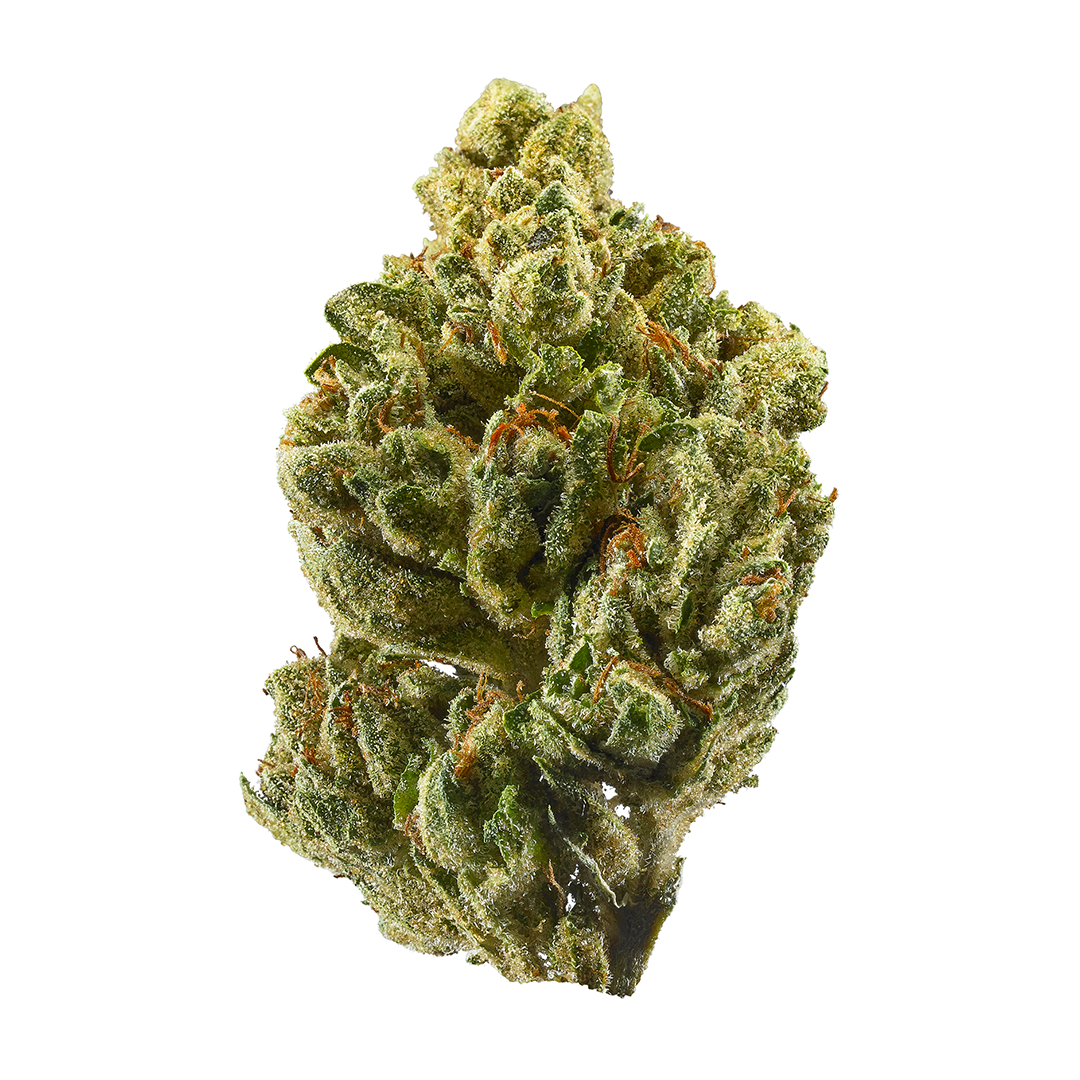
The OG Kush Strain commonly displays dense green flowers, orange pistils and prominent resin-producing trichomes. International descriptions frequently mention compact flower structures and aromatic characteristics associated with traditional Kush varieties. Several recognised selections include Tahoe OG, SFV OG and Ghost OG, although their genetics and chemistry differ. These characteristics reflect genetic diversity rather than guaranteed botanical uniformity. The Therapeutic Goods Administration’s medicinal cannabis overview explains Australia’s regulatory framework for cannabis-based medicines. Australian patients should prioritise verified cannabinoid information and professional medical guidance. Visual appearance cannot establish product authenticity, potency or individual clinical suitability.
OG Kush Strain THC Percentage, CBD Content and Terpene Profile
The OG Kush Strain commonly contains substantial tetrahydrocannabinol concentrations, making potency an important consideration for Australian cannabis education. Leafly’s OG Kush cannabinoid profile lists approximately 25% THC as a representative value for this cultivar. However, actual laboratory results vary substantially between genetic selections, cultivation conditions and individual batches. Traditional THC-dominant OG Kush varieties generally contain relatively low cannabidiol concentrations. Published strain averages do not represent guaranteed specifications for Australian medicinal cannabis products. Patients should examine authenticated laboratory information rather than assume every OG Kush product contains identical THC levels or produces equivalent effects.
Terpenes contribute to the OG Kush Strain’s distinctive fragrance, combining earthy, pine-like, citrus and spicy aromatic characteristics. Myrcene commonly contributes herbal and earthy qualities, while limonene introduces citrus-associated notes. Beta-caryophyllene provides peppery aromas that complement the cultivar’s complex fragrance. Some international descriptions also mention fuel-like, woody and skunky undertones. According to Leafly’s OG Kush terpene profile, myrcene, limonene and caryophyllene appear among its prominent compounds. However, individual terpene concentrations vary between tested products. Aromatic characteristics cannot guarantee particular medical outcomes, predictable psychoactive effects or individual patient safety.
Understanding OG Kush THC content requires distinguishing international strain averages from laboratory-tested Australian medicinal cannabis specifications. THC influences perception, memory, attention and physical coordination through its activity within the endocannabinoid system. CBD possesses different pharmacological properties but does not automatically eliminate THC-related impairment or adverse reactions. Australian healthcare professionals assess cannabinoid strength alongside medical history, existing treatments and potential medication interactions. The TGA’s medicinal cannabis quality requirements explain relevant product testing and active ingredient standards. Patients should rely on verified medicine labels rather than promotional potency claims or generalised cultivar descriptions.
OG Kush Strain Effects, Potential Medical Uses and Health Risks
The OG Kush Strain attracts attention for commonly reported relaxation, sleepiness, increased appetite and changes in sensory perception. International consumer descriptions frequently mention physical relaxation, altered mood and varying degrees of euphoria. However, these observations represent subjective experiences rather than scientifically established outcomes for every individual. THC concentration, personal sensitivity, medical history and concurrent medicines influence individual responses. Leafly’s OG Kush effects profile identifies relaxation, hunger and sleepiness among commonly reported experiences. Australian readers should distinguish consumer reviews from controlled clinical evidence. Strain popularity cannot establish reliable medical benefits or individual treatment suitability.
Some international cannabis discussions associate the OG Kush Strain with chronic pain, sleeping difficulties, stress and anxiety. Nevertheless, individual consumer experiences do not establish that this specific cultivar effectively treats these medical conditions. Scientific research evaluates particular cannabinoids, formulations and clinical indications rather than relying exclusively on commercial strain names. The Australian healthdirect medicinal cannabis resource explains important considerations surrounding therapeutic evidence, treatment limitations and potential adverse reactions. Healthcare professionals assess patient history, previous treatments and individual circumstances before considering cannabis-based medicines. OG Kush has no established strain-specific approval for treating medical conditions. Personalised clinical assessment remains essential.
The OG Kush Strain presents important health considerations because many varieties contain substantial THC concentrations. Possible adverse reactions include anxiety, dizziness, dry mouth, impaired concentration and increased heart rate. THC can also influence memory, judgement, coordination and reaction times, increasing risks during activities requiring sustained attention. People with certain psychiatric histories or cardiovascular conditions may face additional concerns. Combining cannabis with alcohol or sedating medicines can increase impairment. Healthdirect Australia’s medicinal cannabis guidance advises against driving while using THC-containing medicines. This educational information does not replace individual medical advice, diagnosis or treatment recommendations.
OG Kush Strain Legal Status and Medicinal Cannabis Access in Australia
The OG Kush Strain falls within Australia’s cannabis regulatory framework, which distinguishes authorised medicinal supply from unlawful recreational distribution. THC-containing cannabis remains subject to national controls and additional state or territory legislation. The Therapeutic Goods Administration regulates medicinal cannabis products under Australia’s therapeutic goods laws. Most medicinal cannabis products remain unapproved therapeutic goods, requiring access through specified legal pathways. The TGA’s medicinal cannabis access guidance explains these arrangements and relevant regulatory obligations. International OG Kush availability does not establish lawful access within Australia. Readers should distinguish medical authorisation from unrestricted recreational possession or commercial supply.
Australian patients considering medicinal cannabis should consult an appropriately qualified healthcare practitioner for individual clinical assessment. The TGA provides access arrangements through its Special Access Scheme and Authorised Prescriber pathways. These mechanisms support lawful access to certain unapproved medicinal cannabis products under specified conditions. However, receiving a prescription does not guarantee access to OG Kush or any particular commercial cultivar. Product availability depends on clinical suitability, applicable regulatory requirements and lawful supply arrangements. The TGA’s medicinal cannabis patient access guidance explains these pathways. Patients should rely on authorised healthcare professionals and legitimate pharmacy services.
Australian cannabis legislation also regulates cultivation, possession, commercial distribution, advertising and driving with THC in the body. The Australian Capital Territory maintains limited personal cannabis provisions, but these rules do not establish nationwide recreational legality. Other jurisdictions impose different restrictions concerning unauthorised cannabis cultivation and possession. A medicinal cannabis prescription does not automatically permit personal cultivation or unrestricted commercial distribution. Driving restrictions remain particularly important for patients prescribed THC-containing medicines. Healthdirect Australia’s cannabis law guidance explains relevant legal distinctions across Australian jurisdictions. Readers should verify current local legislation. This article provides general educational information rather than individual legal advice.
OG Kush Strain Australia: Product Quality, Patient Safety and Reliable Cannabis Information
Understanding OG Kush Strain quality requires attention to cannabinoid testing, product identification and contamination controls. Australia’s Therapeutic Goods Order 93 establishes minimum quality standards for applicable medicinal cannabis products. These requirements address active ingredient concentrations, microbiological quality, product identification and other relevant safety considerations. Manufacturers and sponsors must satisfy applicable therapeutic goods obligations when supplying regulated medicinal products. The TGA’s TGO 93 medicinal cannabis quality guidance explains these responsibilities. Australian patients should prioritise authenticated medicine specifications over unsupported potency claims. Familiar strain names and distinctive aromas cannot establish pharmaceutical quality or individual clinical suitability.
Australian readers researching the OG Kush Strain should distinguish factual botanical information from unsupported medical claims and commercial advertising. Reliable educational content explains genetic uncertainty, cannabinoid variability, reported experiences, potential risks and relevant legal restrictions. Website publishers should avoid presenting consumer reviews as verified evidence of treatment effectiveness. Australia’s therapeutic goods legislation restricts public advertising of prescription medicines, including medicinal cannabis products. The TGA’s medicinal cannabis advertising FAQ explains these obligations. Promotional claims encouraging access to particular prescription cannabis products may breach Australian legislation. Balanced educational information supports informed public understanding.
The OG Kush Strain remains a recognised cannabis hybrid associated with disputed Chemdawg ancestry, distinctive earthy aromas and substantial THC concentrations. Its different genetic selections demonstrate why cannabinoid content and aromatic characteristics vary between individual products. Australian interest in OG Kush continues alongside broader discussions concerning medicinal cannabis regulation, clinical research and patient safety. The Therapeutic Goods Administration and healthdirect Australia provide authoritative information concerning lawful access, potential risks and medical responsibilities. This article serves educational purposes only. It does not provide medical advice, guarantee therapeutic benefits or authorise unlawful cannabis possession, cultivation or distribution
Questions About OG Kush Strain in Australia (2026)
Is OG Kush Strain Indica or Sativa?
OG Kush Strain is classified as a hybrid, described as indica leaning. According to Leafly, its origins involve debated crosses associated with Chemdawg, Lemon Thai and Hindu Kush. Different growers may produce distinct versions under the same name. Consumers report relaxation, sleepiness and increased appetite, but experiences vary. Importantly, indica and sativa labels do not reliably predict clinical effects. THC concentration, other cannabinoids, terpene composition and individual sensitivity provide meaningful information. Australians considering medicinal cannabis should review laboratory tested product details and speak with a qualified healthcare professional. OG Kush genetics alone cannot establish medical suitability or consistent effects.
What Are the Effects and Benefits of OG Kush Strain?
OG Kush Strain is associated with reported relaxation, sleepiness, increased appetite and changes in mood. Leafly describes woody, pine and earthy aromas, with myrcene, limonene and caryophyllene among its reported terpenes. These observations come largely from consumer experiences, not controlled clinical trials. THC can also cause dry mouth, dizziness, anxiety, impaired attention and slower reactions. Responses depend on product strength, personal sensitivity, medications and existing health conditions. Australians should avoid interpreting strain reviews as proof of medical benefits. Healthdirect Australia recommends consulting a healthcare professional about medicinal cannabis, including adverse effects, potential interactions and restrictions on driving while using THC.
How Strong Is OG Kush Strain and What Is Its THC Percentage?
OG Kush Strain is often considered high potency because many samples contain substantial tetrahydrocannabinol, commonly called THC. Leafly lists approximately 25% THC as a reference figure, rather than a guaranteed level for every product. Actual concentrations differ with genetics, cultivation methods, harvesting conditions and laboratory testing. Products sharing the OG Kush name may therefore have different cannabinoid profiles. Higher THC exposure can increase intoxication, anxiety, confusion and impaired coordination. Australian patients should examine verified batch results and prescribed product labels instead of relying on general internet averages. Healthcare professionals can assess individual risk factors, medication interactions and appropriate treatment options.
Is OG Kush Strain Legal in Australia?
OG Kush Strain contains intoxicating THC and is subject to Australian cannabis laws. Recreational cannabis supply remains prohibited, while possession rules and penalties differ across jurisdictions. The Australian Capital Territory allows limited adult possession and home cultivation under specific conditions, without permitting commercial sales. Eligible patients may access prescribed medicinal cannabis through regulated healthcare pathways. The Therapeutic Goods Administration outlines the Special Access Scheme and Authorised Prescriber arrangements for unapproved products. However, obtaining a prescription does not guarantee access to OG Kush specifically. Australians should verify state or territory rules and seek medical advice before making decisions about cannabis treatment.
Is OG Kush Strain Good for Sleep, Anxiety and Chronic Pain?
Australians research OG Kush Strain for sleep problems, anxiety, persistent pain and stress. Consumer reviews describe relaxation or sleepiness, but these personal accounts do not establish that OG Kush effectively treats any condition. THC may worsen anxiety, cause daytime drowsiness and impair concentration or driving. Research into medicinal cannabis varies substantially by diagnosis, formulation and study quality. Healthdirect Australia explains that medicinal cannabis is not usually considered a first line treatment. Patients should discuss potential benefits, adverse effects and existing therapies with a qualified healthcare professional. No cannabis strain guarantees symptom relief, and individual clinical assessment remains essential before treatment.



Reviews
There are no reviews yet.