 Skip to content
Description
Blue Dream Strain Australia: Origins, Genetics and Hybrid Characteristics
The Blue Dream Strain is a recognised cannabis hybrid known for its distinctive genetics, sweet berry aroma and THC content. Originating in California, this cultivar attracts attention among Australian readers researching cannabis genetics, cannabinoids and medicinal cannabis regulations. Blue Dream combines Blueberry and Haze genetics, producing a sativa-dominant hybrid with varied botanical characteristics. Its genetic background contributes to its recognisable fragrance and diverse chemical composition. According to Leafly’s Blue Dream Strain profile, this cultivar is widely associated with California’s cannabis breeding history. However, commercial strain names do not guarantee identical genetic characteristics.
Blue Dream Strain genetics combine the distinctive characteristics of Blueberry with those associated with the Haze cannabis family. Blueberry contributes sweet fruit aromas, while Haze introduces additional aromatic complexity and diverse hybrid characteristics. Blue Dream commonly receives a sativa-dominant classification, although genetic expressions vary between individual selections. Some international descriptions suggest approximately 60% sativa ancestry, but these classifications are not precise laboratory measurements. The Blue Dream genetic reference from Leafly identifies Blueberry and Haze as its recognised parents. Australian readers should distinguish traditional strain classifications from verified cannabinoid profiles when researching cannabis products and plant genetics.
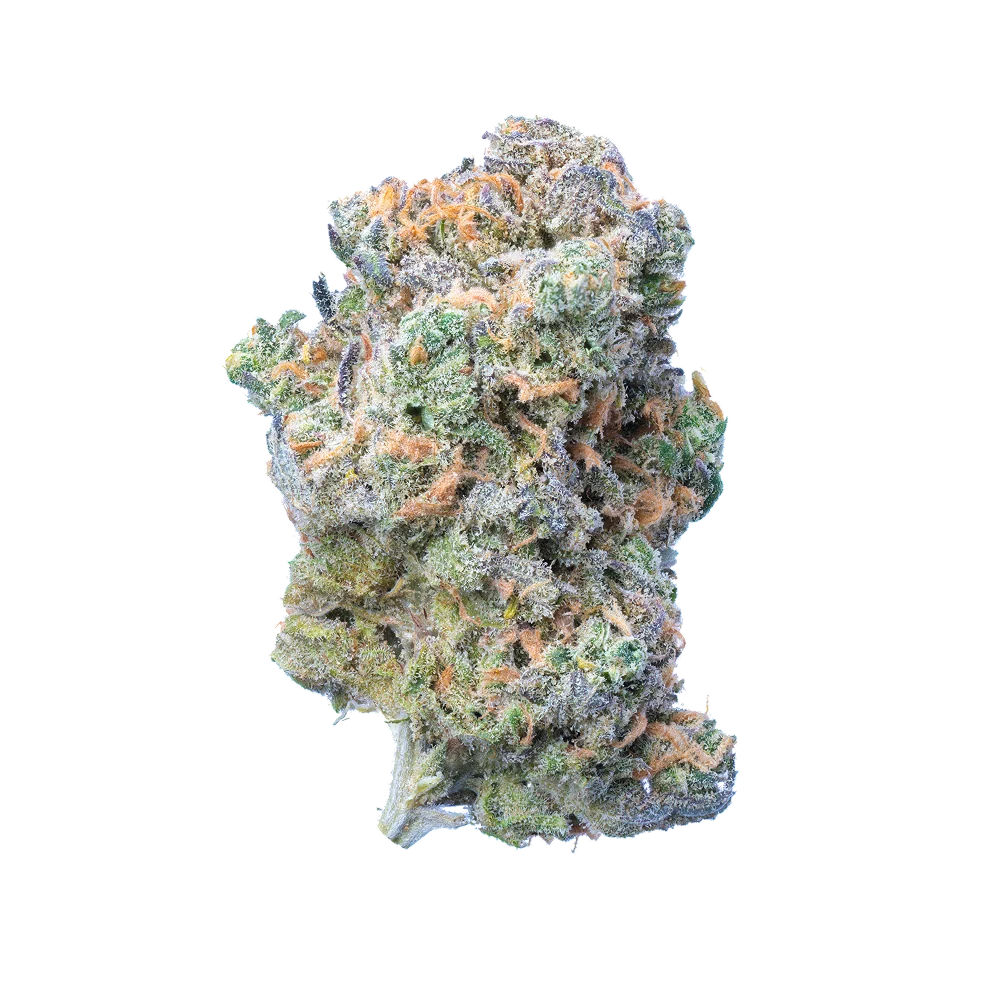
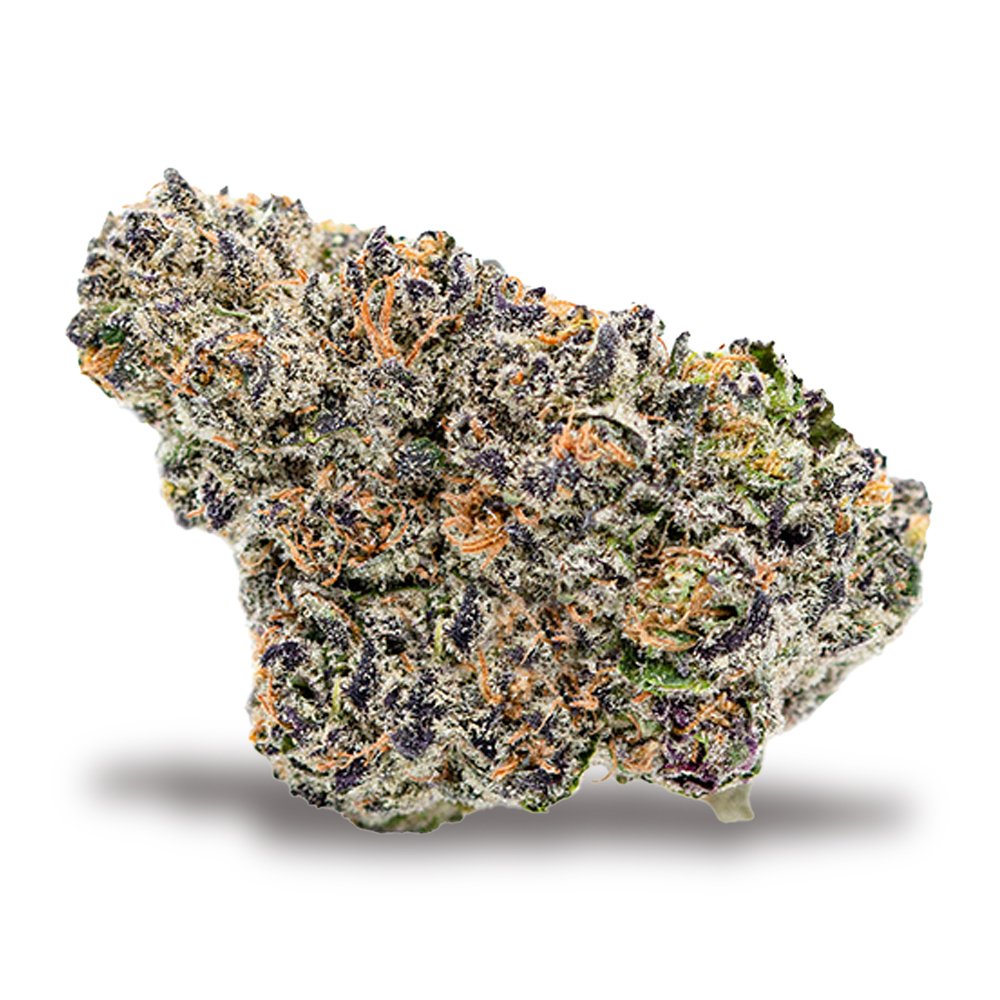
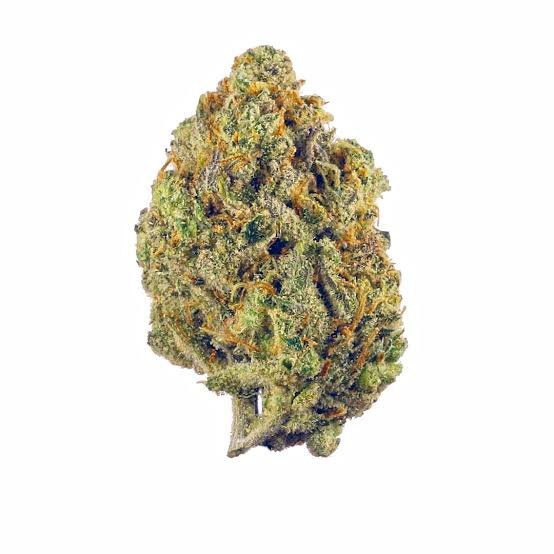
The Blue Dream Strain commonly displays green flowers, orange pistils and visible trichomes associated with resin-producing cannabis plants. Certain descriptions mention bluish or purple colouring, although these features do not appear consistently across every genetic selection. Flower density, aroma and appearance vary according to environmental conditions, plant genetics and development. Importantly, visual characteristics cannot establish THC concentrations, contamination levels or medicinal suitability. The Therapeutic Goods Administration’s medicinal cannabis guidance emphasises Australia’s regulatory framework for cannabis-based therapeutic products. Australian patients should rely on verified medicine specifications and professional medical guidance rather than appearance alone.
Blue Dream Strain THC Percentage, CBD Content and Terpene Profile
The Blue Dream Strain commonly contains substantial tetrahydrocannabinol concentrations, making cannabinoid potency an important consideration for Australian readers. International strain profiles frequently report THC concentrations around 17% to 24%, although individual laboratory results vary. Leafly’s Blue Dream Strain information lists approximately 21% THC as a reference value. Cannabidiol concentrations generally remain low in traditional THC-dominant Blue Dream varieties. However, these figures describe reported cultivar characteristics rather than guaranteed Australian product specifications. Patients should examine authenticated medicinal cannabis information before interpreting strength. Higher THC percentages do not automatically establish improved treatment outcomes or pharmaceutical quality.
Terpenes contribute to the Blue Dream Strain’s characteristic blueberry fragrance, sweet aroma and subtle herbal qualities. Myrcene commonly provides earthy and herbal characteristics, while pinene introduces recognisable pine-related notes. Beta-caryophyllene contributes peppery aromas, creating additional complexity within the cultivar’s aromatic profile. Some Blue Dream descriptions also mention fruity sweetness and floral undertones. According to Leafly’s Blue Dream terpene profile, myrcene, pinene and caryophyllene appear among its prominent compounds. However, terpene concentrations vary between plants and tested products. Aroma alone cannot establish therapeutic effectiveness, safety or predictable psychoactive experiences for individual patients.
Understanding Blue Dream THC content requires distinguishing general strain averages from laboratory-tested medicinal cannabis products supplied in Australia. THC affects perception, memory, coordination and other important neurological functions. CBD possesses different pharmacological properties but does not automatically eliminate THC-related risks. Australian healthcare professionals assess cannabinoid strength alongside individual health conditions, medication interactions and clinical circumstances. The TGA’s medicinal cannabis quality requirements address product identification, testing and active ingredient concentrations. Patients should recognise that cannabinoid content varies across producers and batches. Verified medicine labels provide more reliable information than strain names, online descriptions or promotional potency claims.
Blue Dream Strain Effects, Potential Medical Uses and Health Risks
The Blue Dream Strain receives attention for commonly reported euphoria, increased creativity, relaxation and changes in sensory perception. International consumer descriptions frequently mention an uplifting experience accompanied by varying degrees of physical relaxation. However, these reports remain subjective and do not establish predictable effects for every individual. THC concentration, tolerance, medical history and concurrent medicines influence personal responses. Leafly’s Blue Dream effects profile identifies happiness, creativity and euphoria among commonly reported experiences. Australian patients should distinguish consumer reviews from controlled clinical evidence. Individual experiences cannot confirm medical effectiveness, treatment suitability or long-term safety for patients.
Some international cannabis discussions associate the Blue Dream Strain with stress, mood changes, pain and sleeping difficulties. Nevertheless, consumer reports do not establish that this specific cultivar effectively treats these medical conditions. Scientific research examines particular cannabinoids, formulations and clinical indications rather than relying exclusively on commercial strain names. The Australian healthdirect medicinal cannabis resource explains important considerations regarding therapeutic evidence and treatment risks. Doctors assess patient history, existing treatments and potential adverse reactions before considering cannabinoid-based medicines. Blue Dream does not possess established strain-specific approval for treating medical conditions. Personalised clinical assessment remains essential.
The Blue Dream Strain presents potential health risks because traditional varieties often contain significant THC concentrations. Possible adverse effects include anxiety, dizziness, dry mouth, impaired attention and changes in heart rate. THC can also influence memory, judgement, reaction times and physical coordination. People with relevant psychiatric histories or cardiovascular conditions may face additional concerns. Combining cannabis with alcohol or sedating medication can increase impairment and other risks. Healthdirect Australia’s medicinal cannabis guidance advises against driving while using THC-containing cannabis medicines. This information provides general education and does not replace qualified medical advice, diagnosis or individual treatment recommendations.
Blue Dream Strain Legal Status and Medicinal Cannabis Access in Australia
The Blue Dream Strain falls within Australia’s cannabis regulatory framework, which distinguishes authorised medicinal supply from unlawful recreational distribution. THC-containing cannabis generally remains subject to strict legal controls across Australian states and territories. The Therapeutic Goods Administration regulates medicinal cannabis under national therapeutic goods legislation. Most medicinal cannabis products remain unapproved therapeutic goods and require access through specified regulatory pathways. The TGA’s medicinal cannabis overview explains these requirements and relevant supply arrangements. International Blue Dream availability does not establish lawful access within Australia. Readers should distinguish medicinal authorisation from unrestricted recreational legality and commercial distribution.
Australian patients considering medicinal cannabis should consult an appropriately qualified healthcare practitioner for individual clinical assessment and treatment guidance. The TGA provides access arrangements through the Special Access Scheme and Authorised Prescriber pathways. These mechanisms support lawful access to certain unapproved medicinal cannabis products under specified conditions. However, a medical prescription does not guarantee access to Blue Dream or any particular cannabis cultivar. Product availability depends on clinical suitability, regulatory authorisation and lawful supply arrangements. The TGA’s medicinal cannabis patient access guidance explains these pathways. Patients should obtain individual guidance through authorised healthcare services rather than unverified cannabis sellers.
Australian cannabis laws also regulate cultivation, possession, distribution, advertising and driving with THC in the body. The Australian Capital Territory maintains limited personal cannabis provisions, but these do not establish nationwide recreational legality. Other jurisdictions apply different restrictions and penalties concerning unauthorised cannabis activities. A medicinal cannabis prescription does not automatically permit unrestricted personal cultivation or commercial distribution. Driving restrictions remain particularly important for patients prescribed THC-containing medicinal cannabis products. Healthdirect Australia’s medicinal cannabis guidance explains associated impairment risks and legal responsibilities. Readers should check their jurisdiction’s current legislation. This article provides general educational information rather than individual legal advice.
Blue Dream Strain Australia: Product Quality, Patient Safety and Reliable Cannabis Information
Understanding Blue Dream Strain quality requires attention to laboratory verification, cannabinoid accuracy and contamination controls. Australia’s Therapeutic Goods Order 93 establishes minimum quality standards for applicable medicinal cannabis products. These requirements address active ingredient concentrations, product identification, microbiological quality and other important safety considerations. Manufacturers and sponsors must meet relevant therapeutic goods obligations when supplying regulated medicines. The TGA’s TGO 93 medicinal cannabis quality guidance explains these requirements. Australian patients should prioritise authenticated medicinal product information over unsupported potency claims. Familiar strain names cannot establish pharmaceutical quality, individual suitability or compliance with Australian regulations.
Australian readers researching the Blue Dream Strain should distinguish botanical information from unsupported medical claims and commercial advertising. Reliable educational content explains genetic lineage, reported effects, cannabinoid variability, potential risks and applicable legal restrictions. Website publishers should avoid presenting consumer testimonials as verified treatment evidence. Australia’s therapeutic goods legislation restricts public advertising of prescription medicines, including medicinal cannabis products. The TGA’s June 2026 prescription medicine advertising guidance explains these obligations. Public promotion of specific medicinal cannabis products can breach Australian advertising rules. Balanced educational information supports understanding without encouraging unlawful sales, misleading claims or inappropriate medical decisions.
The Blue Dream Strain remains a recognised cannabis hybrid associated with Blueberry and Haze genetics, sweet aromas and substantial THC concentrations. Its various genetic expressions demonstrate why cannabis characteristics differ between producers and laboratory-tested products. Australian interest in Blue Dream continues alongside broader discussions concerning medicinal cannabis regulation, cannabinoid research and patient safety. The Therapeutic Goods Administration and healthdirect Australia provide authoritative guidance on legal access, safety and possible adverse effects. This article serves educational purposes only. It does not provide medical advice, guarantee therapeutic benefits or authorise unlawful cannabis possession, cultivation or distribution.
Questions About Blue Dream Strain in Australia (2026)
Is Blue Dream Strain Indica or Sativa?
Blue Dream Strain is a sativa dominant hybrid developed from Blueberry and Haze cannabis genetics. According to Leafly, it originated in California and is commonly associated with uplifting effects alongside physical relaxation. Some descriptions call it approximately 60% sativa and 40% indica, but those figures are not standardised laboratory measurements. Cannabis classification alone cannot reliably predict personal experiences or therapeutic outcomes. THC concentration, terpene composition, other cannabinoids and individual health factors matter more. Australian patients should review tested product information and discuss treatment options with a qualified healthcare professional. Blue Dream’s name does not guarantee consistent ingredients across different products.
What Are the Effects and Benefits of Blue Dream Strain?
Blue Dream Strain is associated with reported feelings of happiness, creativity, euphoria and relaxation. Leafly lists these experiences from consumer reviews, rather than controlled clinical trials. Some users also describe a sweet berry aroma, reflecting the strain’s commonly reported terpene profile. However, THC can cause unwanted effects, including dizziness, dry mouth, anxiety and impaired concentration. Individual responses depend on product potency, previous exposure, medications and health conditions. Australians researching medicinal cannabis should distinguish anecdotal reports from demonstrated medical benefits. Healthdirect Australia advises discussing possible adverse effects and driving risks with a healthcare professional before using prescribed THC containing cannabis products.
How Strong Is Blue Dream Strain and What Is Its THC Percentage?
Blue Dream Strain often contains high levels of tetrahydrocannabinol, commonly called THC. Leafly lists a reference concentration of about 21% THC, but actual products vary substantially. Genetic differences, cultivation conditions and laboratory methods influence reported potency. Blue Dream is generally described as having little cannabidiol, or CBD, although tested concentrations can differ. THC affects memory, attention, coordination and judgement, with stronger exposure potentially increasing adverse reactions. Australian patients should rely on verified batch testing and prescription details rather than strain names or online averages. A clinician can explain whether a particular cannabinoid formulation suits an individual’s circumstances and medical needs.
Is Blue Dream Strain Legal in Australia?
Blue Dream Strain is subject to Australian cannabis laws because it typically contains intoxicating THC. Recreational cannabis possession and supply generally remain illegal, with limited personal use exceptions in the Australian Capital Territory. Those ACT rules do not authorise retail cannabis sales. Eligible patients may access medicinal cannabis through prescription pathways, depending on clinical suitability and product availability. The Therapeutic Goods Administration describes the Special Access Scheme and Authorised Prescriber arrangements for unapproved medicines. A prescription does not automatically make a named Blue Dream product available. Australians should check state or territory laws and obtain professional advice before considering treatment.
Is Blue Dream Strain Good for Anxiety, Chronic Pain and Sleep?
Blue Dream Strain is frequently discussed in relation to stress, anxiety, persistent pain and sleep problems. Some consumers report relaxation or improved mood, but such accounts cannot establish clinical effectiveness. THC may worsen anxiety, cause dizziness or impair cognition, and its effects vary substantially between individuals. Evidence for medicinal cannabis depends on the condition, product formulation and quality of clinical studies. Healthdirect Australia recommends discussing treatment benefits, adverse reactions and driving restrictions with a healthcare professional. Australian patients should not assume Blue Dream treats conditions simply because reviewers describe symptom relief. Existing prescribed treatments should only change after medical consultation



Reviews
There are no reviews yet.